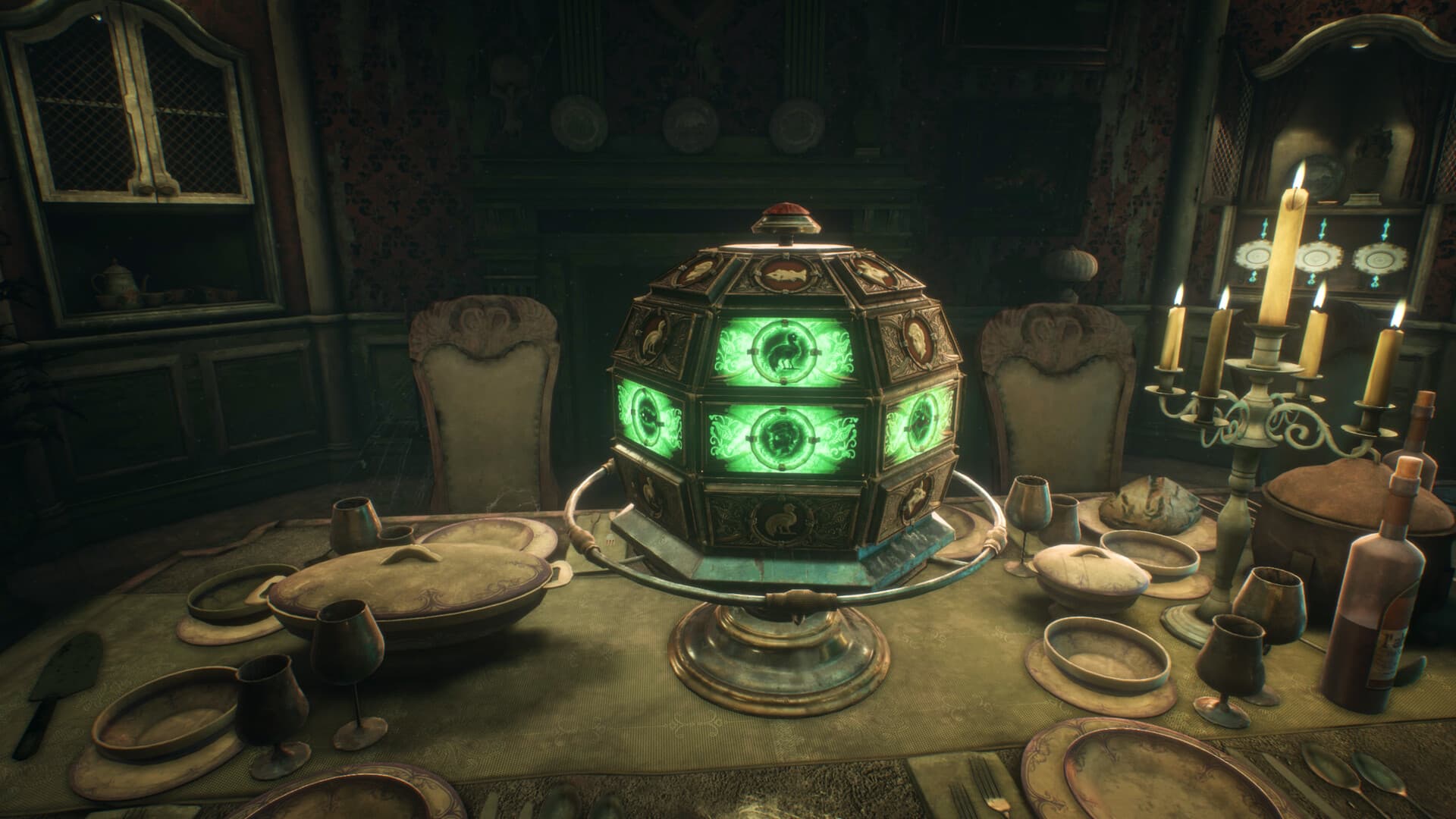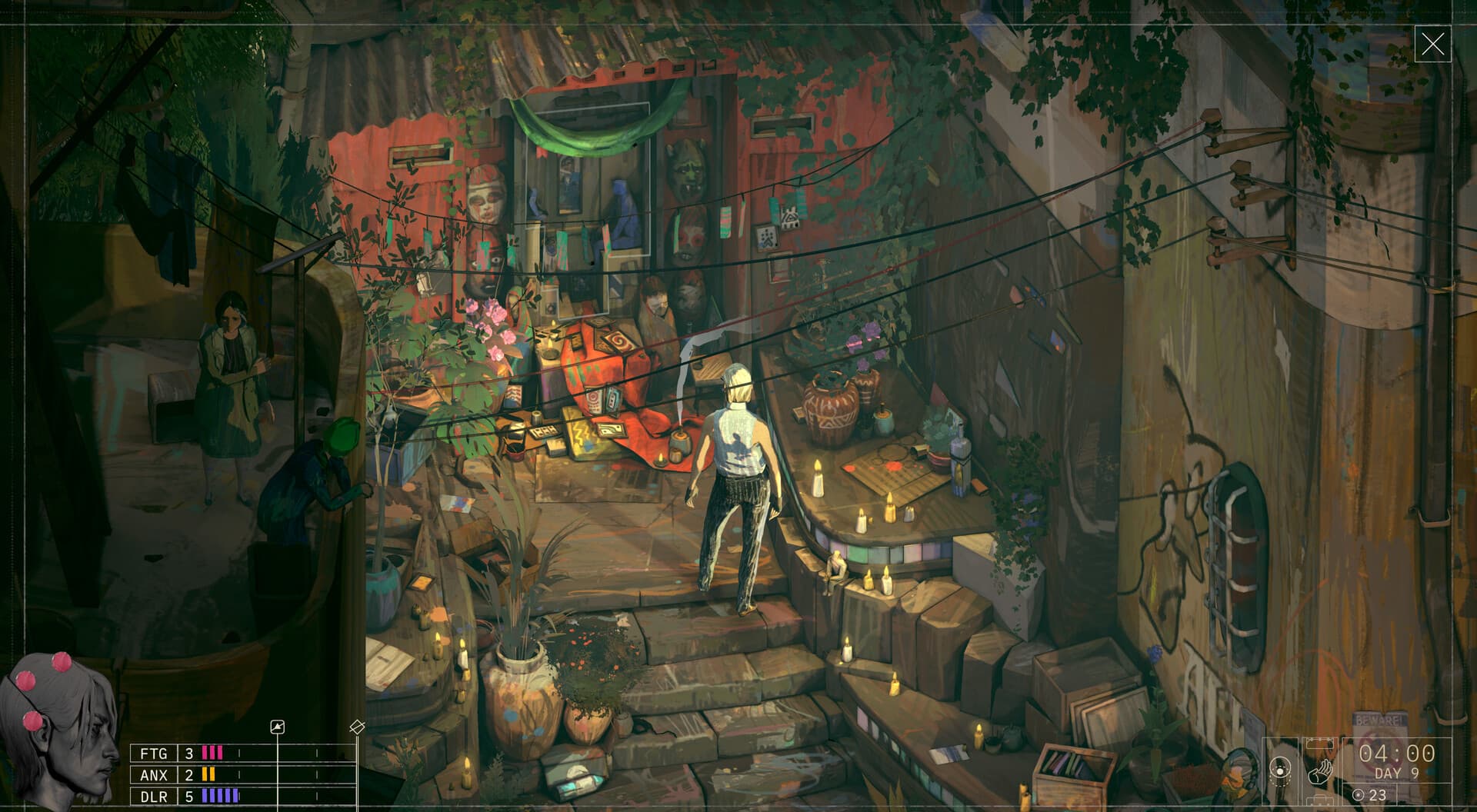
Witchspire is almost here. The magical survival adventure from Envar Games enters Steam Early Access on June 10th, 2026, and the pitch is refreshingly clear: you are not here to starve in the woods for six hours before anything fun happens. You are here to be a witch, bend the world with magic, befriend creatures, and build a sanctuary that actually feels worth coming back to. If you followed the Witchspire playtest in February, you already got a taste of the creature-collecting combat loop and spell-driven exploration. The Early Access launch is the real opening act. Envar says the world players receive at launch is far larger than the earlier demo, with new areas and features shown in the latest trailer. You can wishlist or follow the game now on the Official Steam Page.
What Witchspire Actually Is
Witchspire is a co-op open-world witch adventure set in a handcrafted fantasy world where an ancient darkness is stirring. You and your friends take on the role of novice witches chosen to push back corruption spreading through the land. The game sits at the intersection of survival, adventure, and creature collection. There is exploration, crafting, farming, logging, and mining, but the framing is magical rather than grim. Progression ties into covens, outfits, skill trees, and gear that shape how your witch handles combat, gathering, and base building. Solo players get the full loop. Co-op is where the sanctuary fantasy shines hardest, with shared progression, familiar management, and base building that benefits from actual teamwork instead of just parallel grinding.
Survival Made Magical
This is the hook that separates Witchspire from the survival genre's usual opening slog. Instead of treating magic as a late-game garnish, Envar built the entire resource loop around it. Need timber? Conjure a forest. Need ore? Send out magical pickaxes. Need to escape a bad fight? Blink out of danger or spirit jump up a ledge. The official FAQ describes survival as something you solve with spells, not endless inventory micromanagement. You will not starve in the traditional survival sense, but resources still matter. Gathering, crafting, and upgrading still drive power growth. The difference is pace. Witchspire wants you exploring, experimenting, and reacting to threats instead of babysitting hunger bars. Combat leans into spell variety too. Wands, scrolls, tomes, and spellblades all sit alongside direct spellcasting, giving witches more build identity than a single default weapon tree.
Familiars Are the Real Hook
If the playtest proved anything, it is that the Witchspire creature loop has real legs. The wilderness is full of fascinating monsters. Defeat them in battle, collect their spirits, and turn them into long-term familiars that grow alongside you. Familiars can fight with you, help maintain your sanctuary, or simply exist as companions you bond with over time. During the February playtest, players could carry three companions but activate one at a time, which opened up tactical swapping depending on the encounter. That system matters because it gives Witchspire a personality beyond "survival game with a magic skin." Your roster becomes part of your identity. A witch who invests in rare familiar variants and builds around their strengths will play very differently from someone focused purely on spellcraft or sanctuary logistics.
Building a Sanctuary With Friends
Base building is not an afterthought here. Your sanctuary is the home base for your coven, and Witchspire leans into placement freedom through astral projection building. Instead of wrestling with scaffolding or awkward terrain limits, you can untether from gravity and position structures more precisely. That matters in co-op. When multiple players share a sanctuary, base design becomes part of the social experience. One player might optimize crafting stations and power routing. Another focuses on aesthetics. A third keeps familiar habitats running smoothly. Covens also give you a starting identity. Join a group like the Cloudpiercers or Foretellers and you get unique outfits, bonuses, and a clearer role fantasy from the first hour. Combined with branching skill progression, Witchspire is aiming for builds that feel distinct even within the same friend group.
Early Access Scope and Caveats
Steam's Early Access page is unusually direct about what day one includes. The launch build is meant to ship with the fundamental systems already in place: combat, character customization, exploration, base building, creature collection, and skill progression. Envar says multiple biomes, a number of creatures to challenge or befriend, and most of the core gameplay mechanics are already present. The studio's goal is a highly playable Early Access launch that is fun immediately, not a barebones vertical slice held together with roadmap promises. That said, this is still Early Access. Envar expects at least a year in the phase, with player feedback shaping future updates. The full version is planned to expand the world with more creatures, spells, and story. Early Access pricing will stay reduced to reflect ongoing development, with a planned increase once the game reaches 1.0. If you want the safest purchase, wait for more community impressions after launch week. If you enjoy shaping a game alongside developers and the co-op magical survival hook already clicks for you, day one is a reasonable entry point.
Should You Play at Launch or Wait
Play at launch if you want co-op survival with a strong identity, like creature collecting, and do not mind Early Access rough edges. Witchspire is trying to solve one of the genre's oldest problems: making the early hours feel magical instead of punitive. Wait if you only buy finished games, hate balance churn, or need console support. Envar is focused on PC for Early Access and has not committed to other platforms until closer to 1.0. Either way, June 10 is the date to mark. Witchspire has been building momentum since its reveal, and Early Access is where Envar finally opens the doors for real.