Echoes of Elysium Brings Myth, Memory, and Choice Together

Echoes of Elysium is quietly shaping up to be one of those games that sticks with you longer than expected. It does not rely on spectacle or endless systems. Instead, it leans hard into atmosphere, memory, and the weight of player choice. From the moment you step into its world, it is clear the developers are aiming for something reflective rather than loud.
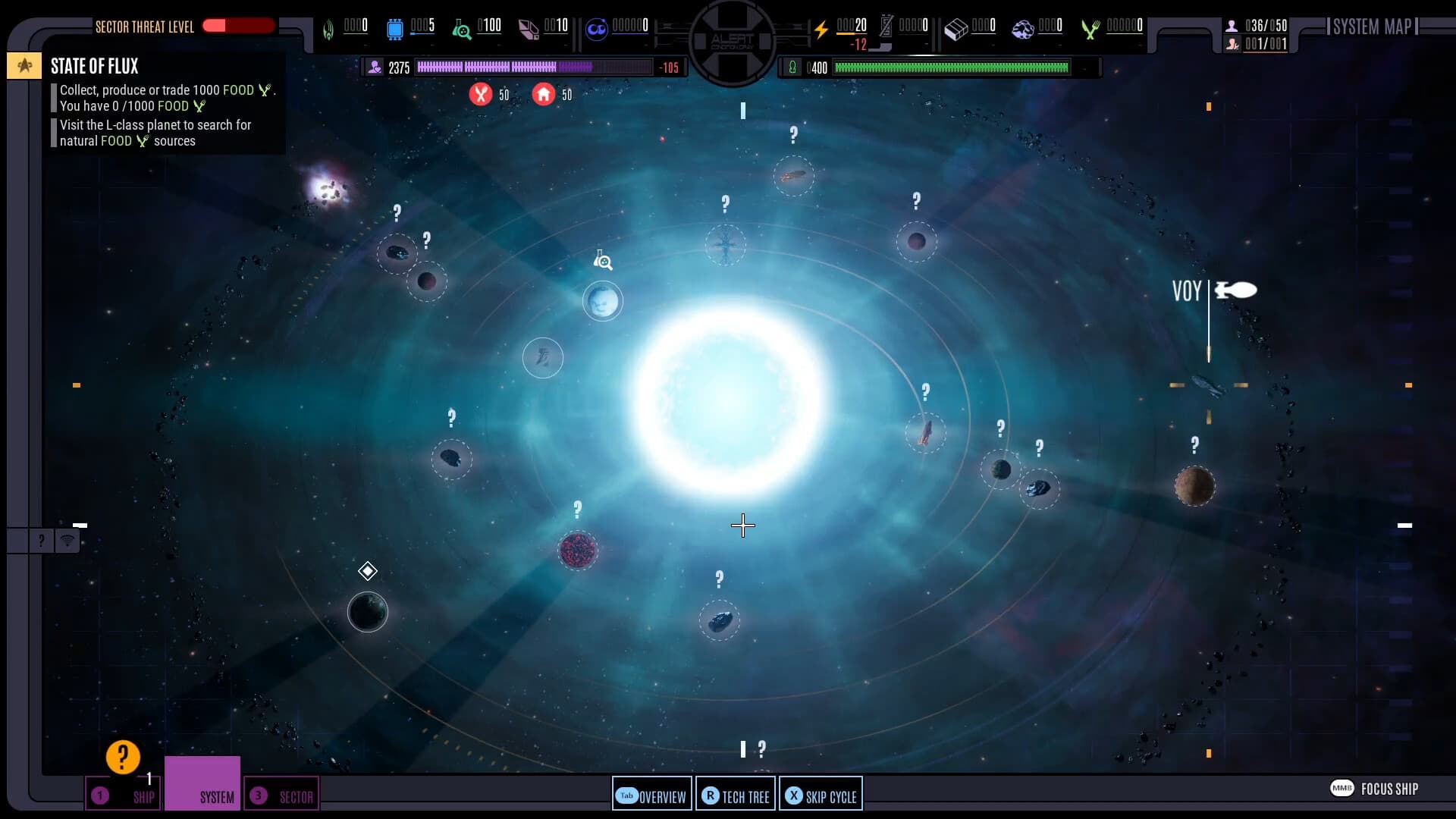
Fly around Elysium now by buying the Early Access game on the Steam Store Page
Set in a fractured realm inspired by mythological afterlives, Echoes of Elysium places the player in a land where history is not just remembered but physically present. Ruins speak. Spirits argue. Entire regions exist because of choices made long before the player arrived. The game treats its setting like a living archive, and you are constantly uncovering layers rather than chasing objectives.
Table of Contents
A World Built on Memory
The defining feature of Echoes of Elysium is how it handles worldbuilding. Instead of traditional lore dumps, the game ties its history to exploration and dialogue. Memories manifest as locations, items, and even enemies. When you explore a fallen city or a broken temple, you are not just looting. You are learning why it exists in that state.
This approach makes exploration feel purposeful. You are rewarded with context rather than collectibles. It also allows the game to explore heavier themes like regret, legacy, and unresolved conflict without ever feeling preachy. The world does the talking for you.
Player Choice That Actually Lingers
Echoes of Elysium puts real effort into making choices feel permanent. Decisions do not always result in immediate consequences. Sometimes you only feel their impact hours later, when a character refuses to help you or an entire area changes tone.
Importantly, the game does not frame choices as good or evil. Most decisions are rooted in perspective. Helping one faction often means alienating another, and the game trusts the player to live with that outcome. There is no quick reload culture encouraged here. The narrative is clearly designed to be experienced, not optimized.
Combat as a Narrative Tool
Combat exists, but it is not the main attraction. Encounters are deliberate and often tied to story beats. Abilities feel symbolic, tied to themes like remembrance, sacrifice, or denial. This keeps combat aligned with the tone of the game rather than feeling like a separate system bolted on for tradition.
Because fights are less frequent, they tend to carry more emotional weight. You usually understand why you are fighting, and that context matters.
A Slow Burn Worth Your Time
Echoes of Elysium will not be for everyone. Players looking for constant action or endless progression systems may find it too restrained. However, for those who enjoy thoughtful RPGs that respect their intelligence and patience, this is a game worth watching closely.
It feels like a project made with intention rather than trends in mind. If it sticks the landing, Echoes of Elysium could easily become one of those cult favorites people recommend years later with a knowing smile.
Final Thoughts
Echoes of Elysium is not trying to be the loudest RPG in the room. It is trying to be the most sincere. By focusing on memory, consequence, and atmosphere, it offers something that feels increasingly rare. It trusts the player to slow down, pay attention, and engage on its own terms. For many, that will be exactly the point.
Echoes of Elysium - Official Early Access Launch Trailer
Frequently Asked Questions
What kind of game is Echoes of Elysium?ShowHide
It is a narrative-focused RPG built around player choice, mythological themes, and exploration.
Is Echoes of Elysium more story-driven or combat-driven?ShowHide
The game prioritizes story and decision-making, with combat designed to support narrative moments rather than dominate them.